
Live Dream Catcher Casino in the UK: What to Check
 Available in GB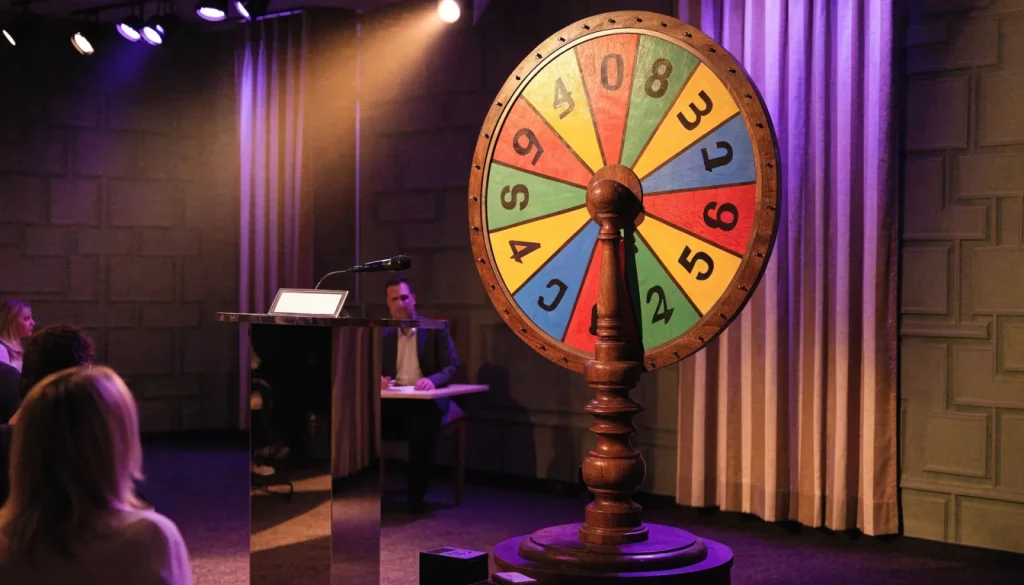
Dream Catcher’s live format sits within a wider casino service, so checks of the operator matter alongside the game itself.
Dream Catcher in the Online Casino Landscape
Dream Catcher belongs to the part of online casino culture that tries to preserve the ceremony of a physical gaming room while removing the need to travel there. Its name appears beside searches for live casino tables, streamed games and online versions of familiar casino entertainment. The attraction is not simply the possibility of placing a wager from a laptop or phone. It is the sense of watching an event unfold in real time, with a studio or table standing in for the room that once gave casino gambling its social atmosphere.
That places Dream Catcher in a wider landscape than the name alone suggests. A search for a live Dream Catcher casino may begin with one particular game, but it often leads into the broader question of what a live-casino service is meant to provide. Some pages present a single product; others gather several live games under one roof. The difference matters culturally as well as practically. A casino has traditionally been a collection of games, not merely one machine or one table, and online operators have carried that arrangement into a digital setting.
From casino rooms to live online tables
The British live-casino story did not begin with Dream Catcher. Grosvenor first unveiled its live casino games in 2013, presenting the service as part of a wider move towards online casino play. Its offering included card and casino games such as Blackjack, Texas Hold’em and Roulette. Those choices were recognisable rather than exotic: games with established names, familiar rituals and rules that had already travelled from casino floors into popular culture.
Casino Games: Slots, Live Tables and Online Formats
The importance of that launch lies in the change of setting. Blackjack, Texas Hold’em and Roulette were no longer confined to a visit to a particular building or resort. They could be presented through an online service while retaining the visual language of live play. The dealer, the table and the unfolding round became part of a broadcast-like experience. The screen did not abolish the old casino; it rearranged it.
That rearrangement also changed how people encountered casino games. In a traditional venue, the room itself does much of the organising. Tables are visible, staff are present and the range of games is encountered almost as a physical geography. Online, the lobby becomes the map. A person looking for Dream Catcher may move through a catalogue of live products, passing other tables and games on the way. The product is therefore understood not only by its own identity but by the company it keeps.
The history of Grosvenor’s live offering helps explain why a phrase such as “Dream Catcher online casino” can mean several things at once. It may refer to a particular game presented through a live stream. It may mean an online casino whose live section includes that product. Or it may be shorthand for the larger experience of entering a digital casino where live games sit alongside other forms of gambling. These are related ideas, but they are not interchangeable.
Live Baccarat Online Casinos in the UK: What to Know
A live game within a wider catalogue
The language of “online casinos with Dream Catcher” tends to make the game sound like the defining feature of a site. In practice, the surrounding catalogue is part of the context. A live casino is usually encountered as an environment containing multiple products, with the game name functioning as a route into that environment. The presence of one title says something about the catalogue, but not everything about the operator, its other tables or the experience of using the service.
This is why the expression “best Dream Catcher online casino” is an awkward one when treated as a historical or cultural description. A game does not create a universal hierarchy of casinos around itself. The phrase reflects a desire to find a suitable place for a particular form of play, while the actual landscape consists of operators, live-game sections and individual products. It is more useful to regard Dream Catcher as one point in that network than as a label capable of ranking the whole network.
The arrival of live casino games also reflects a long-standing tension in gambling culture. Casinos have always sold both chance and atmosphere. The felt, the cards, the wheel and the voice of the dealer help turn a financial transaction into a social performance. Online live games reproduce some of that performance through cameras and interfaces, while dispensing with the building around it. Convenience becomes part of the design, but so does the theatre of watching.
Financial Risk
Always ensure that you only gamble with money that can be afforded to lose.
There is a dry little paradox here: the more faithfully a digital service imitates a casino room, the more clearly it reveals that the room was never the whole point. The setting can be transmitted. The wager remains personal.
Dream Catcher’s place in the online casino landscape is therefore best understood through this history of migration. Grosvenor’s 2013 live-casino launch showed how established card and casino games could be carried into an online setting. Later live products, including Dream Catcher, belong to the same broad movement: casino entertainment presented as a real-time digital event rather than as a purely automated sequence.
For anyone considering live play in Britain, that context is more useful than a hurried list of supposedly superior sites. The central question at this stage is not whether one product deserves a crown. It is how a named live game fits into the changing architecture of online casinos: first as a game, then as part of a live catalogue, and finally as one expression of the old casino idea in a new room.
Any gambling should remain limited to money that can be afforded to lose. Availability and presentation may change; that basic restraint does not.
What a Dream Catcher Casino Page Can—and Cannot—Promise
A page about Dream Catcher can explain what the product is called, where it sits within the live-casino vocabulary and why it appears alongside searches for online casino play in Britain. It can also separate the game itself from the company displaying it. That distinction matters more than the polished studio imagery often suggests. A recognisable title belongs to a product; permission to offer gambling belongs to an operator.
European Roulette at UK Online Casinos
The name Dream Catcher therefore identifies a casino product, not a universal destination. A page using the phrase “live Dream Catcher casino” may be describing a game presented through a remote gambling site, but the phrase alone does not establish which company supplies the table, whether the game is currently displayed by a particular operator or whether access is available to every person in Great Britain. Names travel more easily than permissions.
What the description can establish
A careful description may place Dream Catcher within live casino entertainment: a branded product presented as part of an online casino’s offering rather than as a general promise about every casino in the country. It may explain that the word “live” describes the presentation of a casino product through a remote service. It need not turn that label into a catalogue of mechanics, interface controls or wagering choices.
The operator remains a separate matter. A live-casino page can show a title, a logo and a route towards an account without proving that the business may lawfully accept gambling from Great Britain. For that, the relevant question is whether the remote operator serving Great Britain consumers holds the required Gambling Commission licence. The Commission regulates remote gambling offered to consumers in Great Britain regardless of where the key equipment is located. Geography, in this arrangement, is less decisive than the market being served.
That rule gives the phrase “UK casino” a practical meaning. It is not merely a description of language, currency or an attractive national flag on a landing page. An operator selling remote gambling to the British market must hold the relevant local licence. A page can state that requirement plainly; it cannot replace the register or create a licence by repeating the word “licensed”.
Licensing
A distinction must be made between a casino product and the operator; the latter must hold a valid Gambling Commission licence to operate lawfully in Great Britain.
The same separation applies to software and operators. A product may appear under a familiar name while the gambling account, payment process, customer checks and complaints route belong to another business. A page that treats the game title as if it were the casino company blurs two different legal and commercial roles. That is how small wording errors become large practical ones.
What should not be smuggled into the wording
A description of Dream Catcher should not quietly promise a particular set of rules, wager types, outcomes or technical functions unless those details have been established for the exact version and operator being discussed. The existence of a game name does not, by itself, establish how a particular table is configured. Nor does the word “live” prove that a studio, presenter, broadcast schedule or interface arrangement will be identical from one site to another.
The same restraint applies to availability. A page should not present the product as permanently open, universally accessible or guaranteed to appear in every British online casino. Casino menus change; access can depend on the operator and on account eligibility. A title seen in one setting does not become a market-wide entitlement.
Nor can a general game description promise winnings, favourable results or a reliable way to manage risk. Live presentation may make gambling feel social and immediate, but it does not turn chance into a contract. Language such as “easy”, “safe”, “beatable” or “guaranteed” says more about promotion than about the product. Dryly put, confidence is not a game feature.
Online American Roulette Casinos in the UK: What to Check
A responsible page also avoids presenting registration as permission to bypass ordinary safeguards. Operators must verify a customer’s age before allowing deposits into a gambling account. British remote operators must provide account-level financial-limit controls and prompt new customers to set a financial limit before the first deposit. Credit cards cannot be used for gambling, including through a money-service business, and wallets funded by credit cards cannot be used for that purpose. These are features of the regulated environment, not selling points invented by a game page.
The useful boundary
The sensible boundary is therefore straightforward. A Dream Catcher page may identify the product, describe its place in live-casino language and explain that lawful remote provision in Great Britain depends on the operator holding the appropriate Gambling Commission licence. It may encourage attention to the business behind the screen rather than to the game title alone. Gambling should remain limited to money that can be afforded to lose.
The page should not manufacture a rulebook, promise a specific table, imply universal availability or treat promotional wording as proof of regulatory status. Those claims require separate checking and careful wording. A name is an introduction, not evidence.
Choosing a Live Casino Without a Borrowed ‘Best’ List
A request for the best Dream Catcher casino sounds simple until the word “best” is examined. It can mean a trusted operator, a smooth live-casino interface, a particular payment method, a generous welcome offer, or merely a website that happens to display the game. Those are different judgements, and they do not rise from the same evidence. A polished page may be persuasive while saying very little about the business behind it.
Operator Verification
- Identify the operator’s legal or trading name
- Check the website domain associated with the service
- Verify the licence status in the Gambling Commission public register
- Confirm the licence covers remote gambling in Great Britain
For a live casino serving customers in Great Britain, the first question is therefore not which operator appears highest in a ranking. It is whether the operator holds the relevant Gambling Commission licence. Remote operators serving Great Britain consumers are required to hold that licence, regardless of the country in which their business or technical equipment is based. Geography has never been a substitute for permission.
That makes licensing the foundation of any comparison. It does not turn a casino into the best place to play Dream Catcher, nor does it establish that the game is available at every hour or under every account type. It establishes something more basic and more important: that the operator has the regulatory status required to offer remote gambling to consumers in Great Britain.
What an operator check should establish
The name displayed on a casino website is not enough. A business may use a trading name that differs from its corporate identity, while a game page may be hosted under a separate domain. The relevant licence check should connect the operator presented to the public with the business recorded by the Gambling Commission.
A careful assessment should therefore look at:
- the operator’s legal or trading name;
- the website domain associated with the gambling service;
- the licence status shown in the Commission’s public register;
- whether the record relates to remote gambling offered in Great Britain.
These details matter because a brand can borrow the appearance of legitimacy without making its regulatory position clear. A logo, a live-streamed table, or a page devoted to Dream Catcher is not a licence. Nor is a reference to regulation in a footer, where grand statements often live comfortably beside small print.
The register is the useful counterweight to advertising language. It provides an official point of comparison between what an operator says about itself and what the regulator records. A result should be read carefully rather than treated as a decorative tick: names, domains and business identities need to correspond closely enough to show that the same operation is being examined.
Why rankings are a poor starting point
Lists of the best Dream Catcher casinos often compress several separate matters into one reassuring label. A ranking may reflect editorial preference, commercial placement, or information that changes after publication. Even when the descriptions are accurate, a position in a list cannot replace a current licence check.
This is particularly important when the game itself becomes the centre of attention. The attraction of a live wheel, presenter-led table or familiar brand can make the operator seem secondary. In practice, the operator controls the account, deposits, withdrawals, identity checks and access to the game. The drama belongs to the table; the obligations belong to the business.
A better comparison begins with a short list of licensed operators and then asks what each record actually supports. Does it identify the relevant business? Does the domain match the service being considered? Is the licence current at the time of checking? These questions are less glamorous than a gold badge or a “top choice” label, but they are capable of being answered.
The exercise should also remain proportionate. A licence does not guarantee that every feature advertised on a casino page is available, that every review is impartial, or that the experience will suit every player. It is a threshold condition, not a prize awarded for charm. After that threshold, practical preferences may be compared without disguising opinion as fact.
Summary
- Licensing is the foundation of any comparison between operators.
- A brand name is not a substitute for regulatory permission.
- The operator, not the game, holds the legal and commercial responsibilities.
A sober standard for “best”
The most defensible meaning of “best” is consequently personal and conditional. One operator may have a clearer presentation; another may offer a more suitable account experience. Neither description removes the need to establish the operator’s status first, and neither permits a general verdict on behalf of all players in Great Britain.
The prudent order is plain: identify the business, check the relevant Gambling Commission record, confirm that the service is intended for Great Britain consumers, and only then consider whether the casino meets individual requirements. A licence number should be verified on the Commission’s public register before any deposit is made.
No ranking can perform that check on behalf of every reader, especially when operators and websites change. The attractive shortcut is the least reliable part of the process.
Only gamble what can be afforded to lose.
Dream Catcher Casinos and the LuckyPays Register Check
A live Dream Catcher table may be presented as part of a casino’s catalogue, but the game’s appearance on a website does not establish who is legally offering it. The useful question is not whether a page displays a familiar wheel, but whether the business behind that page can be identified in the public Gambling Commission register.
That check begins with the operator’s legal identity. A trading name may differ from the company name shown in a website footer, terms page or payment screen. The stated domain is another useful search term, particularly where several brands appear to belong to one business. A register result should therefore be compared with the name and web address actually presented to customers, rather than accepted because the branding looks polished.
The register check should be treated as an identity exercise:
- record the operator’s brand and stated domain;
- search the public Gambling Commission register using the brand name;
- search again using the domain, including any alternative domain supplied by the operator;
- compare the result with the business details shown on the casino website;
- confirm that the licence status and permitted activity correspond to the service being offered.
A matching name alone is not enough. A result belonging to a similarly named company may create the appearance of a connection where none has been demonstrated. Nor does a logo, a payment method or a page labelled “live casino” replace the register entry. Administrative details are less theatrical than a streamed table, but they carry more weight.
The LuckyPays example shows why this distinction matters. A dated check of the public Gambling Commission register, recorded on 26 September 2026, did not identify a LuckyPays entry under that brand or under the stated domain, including luckypays.io. This is a register finding at that date, not a permanent description of every future position and not proof that a differently named business is connected to the brand. A specialist review may report the same observation, but the register itself is the relevant place for checking an operator’s claimed status.
That result should prevent a common leap in judgement: treating a site that advertises Dream Catcher as a verified British casino simply because the product is recognisable. The brand of the game and the identity of the operator are separate matters. A search for live Dream Catcher casinos can locate pages; it cannot, by itself, establish that the business behind each page is authorised to serve customers in Great Britain.
Register Check
Step 1: Identify details
Record the operator’s brand name and the stated domain.
Step 2: Search the register
Use the brand name and domain to search the public Gambling Commission register.
Step 3: Compare results
Ensure the business details and permitted activities in the register match the website being used.
The same discipline applies to any casino considered for Dream Catcher play. The operator’s own wording is evidence of what it claims, not independent confirmation of that claim. The public register supplies the more appropriate checkpoint, and the date of the check should be kept with any conclusion because licensing information can change.
Where the operator cannot be matched confidently, depositing becomes an avoidable leap. Gambling should remain limited to money that can be afforded to lose; an uncertain identity is a poor foundation for any further decision.
Recommended online casinos
- ChanzeBonus: Slots Welcome Bonus #1 200% up to €500 · Payout speed: 1-3 business days
- AmunbetBonus: Join now and get 450% up to 2,700 GBP + 450 FS · Payout speed: 1-3 business days
- DieselwinBonus: Welcome Pack 250% up to £4000 + 200 FS · Payout speed: 1-3 business days
- SlotoSportBonus: 500% up to £ 10 200+ 777 FS · Payout speed: 1-3 business days
- ZombillionBonus: Welcome Pack 250% up to £4000 + 200 FS · Payout speed: 1-3 business days
- NightLuckBonus: Welcome Pack + 805% Up To 6400€ + 280 FS · Payout speed: 1-3 business days
- EvoSpinBonus: 125% up to €2500 + 125 Free Spins · Payout speed: 1-3 business days
- Revery PlayBonus: 100% up to€1,000+ 100 FS · Payout speed: 1-3 business days
- JetsetspinsBonus: 200% Bonus + 100 Free Spins + Free Royal Wheel · Payout speed: 1-3 business days
- x3betBonus: Welcome Pack 100% Up to £1.000 + 200 Free Spins · Payout speed: 1-3 business days
The Game, the Stakes and Britain’s Slot Rules
Dream Catcher sits in an awkwardly named corner of the online casino vocabulary. “Casino game” describes the setting, while “live casino game” describes the way a table or studio-style product may be presented. Neither phrase, by itself, determines which legal category governs the stakes. That distinction matters because Britain’s restrictions are not attached to every game carrying the word casino.
The useful starting point is the game cycle: what happens between one permitted wager and the next, and how the operator classifies that activity. A wheel-based product may look closer to a traditional casino table than to a digital slot, but appearance is not a sufficient legal test. Roulette and blackjack belong to the table-game vocabulary; online slots are governed by a separate set of stake controls. Dream Catcher should therefore be assessed through the operator’s game information and the applicable rules, rather than by treating its name as a classification.
Casino dice games in the UK: how they work
A specialist review reports the following slot limits for Great Britain: an adult aged 25 or over may stake no more than £5 per game cycle on an online slot, while an adult aged 18 to 24 may stake no more than £2. These are age-based limits, not a general ceiling for every wager placed in an online casino. The distinction is easy to lose in promotional language, where a casino is made to sound like one large room and every game appears to stand under the same roof. Regulation is less theatrical.
The same specialist review states that those slot limits do not apply to roulette or blackjack. That does not make every product with a wheel a roulette game, nor does it turn every live casino title into a slot. It simply keeps the categories separate. A person looking for a place to play Dream Catcher needs the operator’s description of the product and its classification before drawing conclusions about which stake rule applies.
The rules surrounding slots also shape how such games are delivered. Online slot autoplay is banned in Britain, and at least 2.5 seconds must pass from the start of one game cycle before another can begin. Those provisions belong to the slot framework; they should not be casually pasted onto roulette, blackjack, or another live-casino format.
Age remains part of the practical boundary. Operators must verify a customer’s age before allowing deposits into a gambling account, and legal online gambling is available from the age of 18 where the operator holds the required British licence. Game terminology cannot make that obligation disappear.
Do
- Verify the operator’s age verification processes
- Use account-level financial-limit controls
- Check the Gambling Commission register directly
Don’t
- Use credit cards for gambling
- Rely on promotional wording as proof of regulation
- Assume a game title is the same as the casino company
The financial controls are equally concrete. Remote operators must prompt new customers to set a financial limit before the first deposit and provide accessible account-level controls. Credit cards cannot be used for gambling, including through a money-service business, and a wallet cannot be used where its funds come from a credit card. Whatever the game’s atmosphere—studio, wheel, or animated casino—gambling should be limited to money that can be afforded to lose.
A Wheel Beside Roulette, Not a Slot Limit
The phrase “live Dream Catcher casino wheel” suggests a simple object: a wheel shown through a live table interface, with the expectation that its presence tells the whole story. It does not. A wheel is a visual form, not a legal category. The important question is how the game is classified and supplied by the operator, rather than whether its screen looks more like a television set, a roulette table or a bright piece of fairground equipment.
That distinction matters because Great Britain’s online slot controls are tied to slots, not to every game containing a rotating element. A specialist review states that the relevant slot stake limits do not apply to roulette or blackjack. That statement should be treated as a source-specific explanation rather than as a timeless description of every wheel game. It does, however, point to the essential boundary: a physical-looking wheel does not automatically turn a product into an online slot, and a casino game does not automatically inherit slot rules merely because it is delivered digitally.
Online casino tournaments in the UK: what to verify
Dream Catcher is therefore best discussed without borrowing mechanics from roulette. The name may lead to searches for a “Dream Catcher casino wheel”, but that wording does not establish what outcomes exist, how a wager is placed, which selections are offered, or how a particular operator presents the game. Those details belong to the authorised game information and the operator’s live interface. A photograph of a wheel, a promotional paragraph or a third-party description cannot safely fill the gaps.
Roulette provides a useful comparison only at the level of regulation. It is a recognised casino game, and the slot stake limits are not applied to it according to the specialist review mentioned above. Blackjack sits on the same side of that stated distinction. The comparison should stop there. Roulette rules, roulette terminology and roulette betting areas should not be transferred to Dream Catcher without evidence.
The result is a modest but useful rule of interpretation: wheel-shaped does not mean slot-shaped. The appearance may attract attention; the classification determines which regulatory discussion is relevant. A live presentation also does not remove the ordinary duties of a lawful operator, including age verification and responsible-gambling controls. Money placed on any casino game should be money that can be afforded to lose. The wheel is theatre. Classification is paperwork.
Checking a Live Dream Catcher Casino Site
A live Dream Catcher casino site sits within the wider framework for remote gambling in Great Britain. The relevant public authority is the UK Gambling Commission, which regulates gambling activity in the United Kingdom, including online casinos. For commercial gambling in Great Britain, it is the sole regulator. That makes its records more useful than a badge, a logo or a paragraph of reassuring marketing copy.
Regulatory Scope
Great Britain includes England, Scotland, and Wales. For consumers in these regions, the Gambling Commission regulates remote gambling services regardless of where the company’s physical equipment is located.
The geographical wording matters. Great Britain means England, Scotland and Wales; Northern Ireland has a different legal framework. For consumers in Great Britain, the Commission’s remit follows the market being served, not the place where a company keeps its offices, servers or other key equipment. A remote gambling service directed at that market therefore falls within the regulatory framework even when the machinery behind it is elsewhere.
The Commission issues two broad kinds of licence relevant to this structure. An operating licence belongs to a business and covers the commercial provision of gambling services. A personal licence belongs to an individual whose role in the operation requires that form of authorisation. They are not interchangeable: a company’s operating permission and an individual’s personal permission answer different regulatory questions.
This distinction gives a live-casino check a sensible order. First comes the identity of the business behind the site. Then comes the question of whether that business has the appropriate operating authorisation for remote gambling. Where named individuals are presented as responsible for operational or management functions, personal licensing is a separate matter rather than proof that the website itself is authorised.
The register is the place for that verification. A polished page can describe a live table attractively without establishing who is legally providing it. Equally, the presence of a company name alone does not settle whether the relevant gambling activity is covered. The operator, its licence details and the service being offered need to correspond.
A licence is not a promise that every game will suit every player, nor a guarantee of winnings. It is a regulatory foundation. Gambling still carries the possibility of loss, so only money that can be afforded to lose belongs in play. A wheel may look festive; regulation remains deliberately less entertaining.
Live Casino Lightning Roulette in the UK
A Demo Is Not a Licence to Assume
A request for a Dream Catcher casino demo sounds simple: see the game, understand the setting, and decide whether real-money play is worth considering. Yet a page describing a demo does not establish that a free version is actually available. Availability can depend on the operator, the provider’s presentation, the device, and whether the table is running at the time. A confident button is not evidence.
The same caution applies to a live casino demo. Live play is not merely a static sample of a wheel on a screen; it may involve a streamed table, an active studio and an operator’s account system. A site may use “demo” to describe a preview, while another may reserve the game for logged-in or funded accounts. Those are different arrangements, despite the friendly sameness of the label.
The useful distinction is between access claimed by a page and access demonstrated by the operator’s terms and interface. A responsible description can say that a demo may be offered by some operators, but it should not promise a Dream Catcher demo as a universal feature. Nor should a practice mode be treated as proof that the same operator is authorised to accept real-money play in Great Britain.
That authorisation is a separate question. The Gambling Commission requires a remote operator serving consumers in Great Britain to hold the relevant licence. A demo label cannot replace that requirement, and the presence of a playable preview cannot turn an unlicensed operation into a lawful one. The register and the operator’s licensing information matter more than a colourful “try now” message.
Is a demo version the same as real play?
No, a demo may explain an interface, but it does not provide information on deposits, withdrawals, or regulated financial controls.
Can I use a credit card to gamble?
No, credit cards cannot be used for gambling, nor can wallets funded by credit cards.
There is also a practical reason to keep the two questions apart. A demo may explain an interface, but it says little about deposits, withdrawals, identity checks, financial-limit prompts, complaints procedures or self-exclusion tools. Those belong to the operator’s regulated service, not to the sample itself.
A cautious review therefore describes a demo only when its availability and conditions are clear, and treats licensing as an independent check. A preview is a preview. Nothing more.
Reading a Dream Catcher Casino Review
A useful Dream Catcher casino review does more than attach a favourable adjective to a familiar game. It separates the product from the operator hosting it. A live Dream Catcher casino review may describe the game’s presentation or explain how the table is accessed, but those observations do not establish that the casino is authorised to serve customers in Great Britain.
The first serious question is therefore documentary: does the operator hold the relevant Gambling Commission licence for remote gambling offered to Great Britain consumers? The answer should be supported by an identifiable licence entry, not by a badge, a logo, or a sentence declaring that the site is “fully regulated”. Review copy can age quickly; a licence position is something to verify independently before any deposit is made.
Mines Casino Game in the UK: What to Know
A second useful test is whether the review distinguishes fact from sales language. “Popular”, “trusted” and “best” are judgements unless accompanied by a clear basis. Even a carefully written assessment should not turn a game’s existence on a platform into a promise about availability, quality, fairness or suitability elsewhere. The operator, not a borrowed rating, determines the regulatory status of the account.
Reviews are also more credible when they state what they have actually checked. The operator’s identity, the licensing position and the terms governing access belong to that category. Vague references to security, quick withdrawals or generous treatment do not, unless the review provides evidence that can be examined and remains current.
The same restraint applies to descriptions of the game. A review should avoid presenting unconfirmed details as universal rules, especially where tables, interfaces or access arrangements may differ between operators. A name on a page is not a complete inspection.
Live Roulette UK: English-Speaking Dealers and Licensing
Responsible commentary includes the unglamorous part: gambling should be limited to money that can be afforded to lose. That sentence will never win a ratings contest. It is still more useful than applause.
In short, a review earns attention through checkable claims. Licensing comes before praise, and evidence comes before a star score.
Playing Live: The Operator Still Matters
A live Dream Catcher table is not separate from the operator hosting it. The game may appear as a named tile, a live stream or part of a broader casino lobby, but the legal question remains attached to the business accepting the gambling account and the wager. For consumers in Great Britain, a remote operator must hold the relevant Gambling Commission licence.
That status matters at the moment of play, not merely when a casino describes its catalogue. A page can display Dream Catcher attractively, present a live-casino section and make depositing appear routine; none of those details establishes that the operator may lawfully serve Great Britain consumers. The licence is the point that connects the service to the local regulatory system.
Crazy Time Live Casino Game Show in the UK
Before any deposit, the operator’s licence number should be checked against the UK Gambling Commission’s public register. The name shown on the website and the identity recorded by the Commission should correspond closely enough to establish who is actually providing the gambling service. A brand name alone may not settle that question.
The same practical caution applies if a table is encountered through a mobile site or an unfamiliar domain. The appearance of a familiar game does not transfer the provider’s regulatory status to the company taking the wager. Live presentation changes the atmosphere, not the responsibility.
Gambling should remain limited to money that can be afforded to lose. A live table’s immediacy can make that boundary feel less visible; the operator’s licence cannot remove it. The sensible final check is therefore not whether the game looks live, but whether the business offering it is authorised to serve the British market.
What are the online slot stake limits in Great Britain?
The limit is £5 per game cycle for adults aged 25 and over, and £2 for adults aged 18 to 24. These limits do not apply to roulette or blackjack.
Are online casino games licensed and regulated?
Yes. The UK Gambling Commission regulates remote gambling offered to consumers in Great Britain, and remote operators serving them must hold the relevant licence.
Is LuckyPays licensed by the UK Gambling Commission?
The Commission’s register dated 26 September 2026 does not list LuckyPays under its brand or stated domain, including luckypays.io. Remote operators serving Great Britain consumers must hold the relevant licence.